Demystifying Customs and Shipping Costs: Your Essential Guide to Machinery Sourcing from China
This guide demystifies the customs clearance process and shipping cost structure for importing machinery from China. It breaks down key stages, required documents, duty/tax calculations, and 2025 freight rates. Learn how partnering with a professional sourcing agent can streamline compliance, control costs, and mitigate risks in your China industrial equipment procurement journey.
PRACTICAL TIPS & HOW-TO GUIDESPROCUREMENT AGENT SERVICES & PROCESSES
4/3/20264 min read
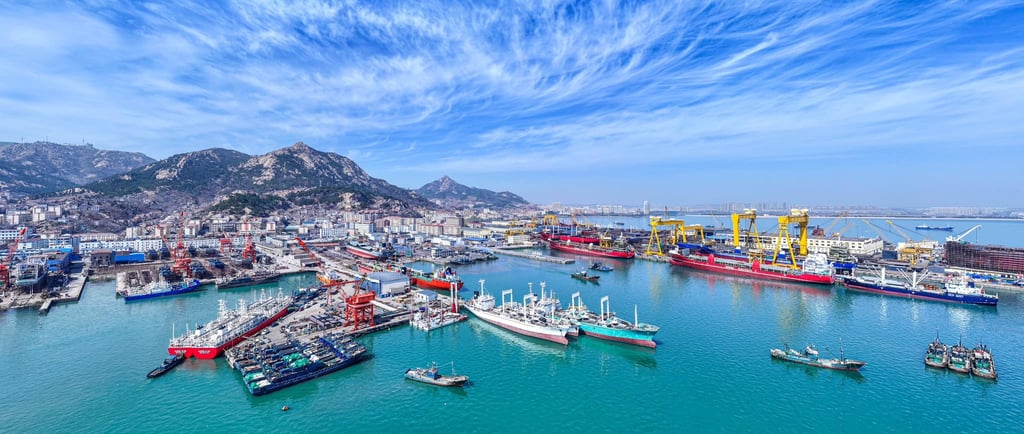

For global buyers venturing into China's vast machinery market, navigating customs clearance and understanding shipping costs often feel like the most daunting hurdles. The complexity of import regulations and the unpredictability of logistics expenses can turn a promising procurement deal into a stressful, costly ordeal. This guide breaks down everything you need to know about customs procedures and shipping costs when sourcing industrial equipment from China, empowering you to make informed decisions and control your budget.
Understanding the China Customs Clearance Process for Machinery
The customs clearance process for importing machinery into your country is a multi-stage journey that typically involves three key phases: Pre-Declaration Preparation, System Document Review, and On-site Inspection and Release .
Phase 1: Pre-Declaration Preparation (The Most Critical Stage)
This stage, ideally starting 48 hours before arrival, sets the tone for success or failure. Key tasks include:
Accurate HS Code Classification: This is the single most important step. An incorrect Harmonized System (HS) code leads to wrong duty calculations, delays, and potential penalties. For example, a CNC machine tool part might fall under a different code than the main assembly, each with distinct duty rates .
Document Verification: Ensuring all mandatory documents are complete and accurate. This includes verifying Certificates of Origin for potential tariff benefits under trade agreements like RCEP .
Compliance Pre-check: Identifying if your equipment requires special certifications like China's CCC (China Compulsory Certification) or energy efficiency labels, which are mandatory for many electrical and mechanical products .
Common Pitfalls: Statistics show that 80% of customs delays for machinery imports stem from just three issues: HS code misclassification, missing technical documents, and incomplete declaration elements . A simple error in declaring a machine's technical parameter, like its pulse frequency or CNC system version, can lead to rejection or lengthy hold-ups .
Key Cost Components: More Than Just the Invoice Price
Your total landed cost includes the purchase price plus several unavoidable charges.
1. Import Duties and Taxes
Import Duty: The rate depends entirely on the correct HS code. For machinery and parts, Most-Favored-Nation (MFN) rates can range from 0% to 10% or more . China's 2025 tariff adjustment scheme has lowered duties on some key equipment and components to support industrial upgrading .
Value-Added Tax (VAT): A standard 13% VAT is applied to the sum of the CIF value (Cost, Insurance, Freight) plus the import duty .
Other Potential Levies: Depending on the equipment, there might be consumption taxes or anti-dumping duties.
2. Shipping and Logistics Costs
This is highly variable based on size, weight, destination, and mode.
Note: These are benchmark rates. Final costs include surcharges like Bunker Adjustment Factor (BAF), Terminal Handling Charges (THC), and documentation fees .
3. Ancillary and Hidden Costs
Customs Brokerage Fees: For handling the declaration process.
Port Charges: Including wharfage, handling, and storage (demurrage/detention) if delays occur.
Pre-shipment Inspection (PSI): Mandatory for used equipment or certain regulated new machinery exceeding a value threshold .
Insurance: Cargo insurance is highly recommended to cover loss or damage during transit.
The Essential Document Checklist
Having the correct paperwork ready is non-negotiable. Here’s what you typically need:
Core Commercial Documents:
Commercial Invoice
Packing List
Bill of Lading (B/L) or Air Waybill (AWB)
Sales Contract/Purchase Order
Regulatory & Customs Documents:
Certificate of Origin: For tariff preference claims.
Import License/自动进口许可证 (O证): Required for many types of mechanical and electrical products .
CCC Certificate or Exemption: For products under China's compulsory certification scheme .
Pre-shipment Inspection Certificate (For Used Equipment): Issued by authorized agencies like CCIC .
Technical Documents: Detailed manuals, specifications, and product photos (especially nameplate photos) .
How a Professional Sourcing Agent Adds Value and Controls Costs
Navigating this maze alone is risky. A seasoned machinery procurement agent or China equipment sourcing expert transforms this complexity into a streamlined, predictable process. Here's how:
Accurate HS Code Pre-classification: Agents use their expertise to determine the correct code upfront, preventing costly reclassification and duty errors at customs .
End-to-End Documentation Management: They prepare, verify, and submit all required documents, ensuring compliance and avoiding delays due to paperwork issues.
Cost Transparency and Optimization: A good agent provides a detailed, all-inclusive cost breakdown (DDP/DAP quotes) upfront. They leverage established relationships with freight forwarders to secure competitive shipping rates and navigate surcharges.
Risk Mitigation: They conduct supplier verification and factory inspection services to ensure you're dealing with verified Chinese manufacturers, not trading companies or fake suppliers. This due diligence extends to checking if the factory can provide all necessary compliance documentation .
Turnkey Logistics Handling: From arranging international transportation logistics from the factory to managing port formalities and final delivery, they offer a full procurement service from China.
By partnering with a machinery sourcing agency, you convert unpredictable costs and administrative headaches into a fixed, managed service fee. This allows you to focus on your core business—selecting the right equipment—while experts handle the industrial equipment procurement logistics.
Your Next Step Towards Stress-Free Sourcing
Understanding customs and shipping is fundamental to cost-effective machinery sourcing and reducing procurement risk in China. While the process has its intricacies, it becomes manageable with the right knowledge and partners.
For beginners, the safest path is to engage a professional China machinery sourcing agency that offers turnkey machinery procurement. They provide the on-the-ground expertise for supplier verification, factory inspection, and seamless logistics, ensuring your global machinery sourcing from China project is successful, compliant, and within budget.
Ready to simplify your next equipment purchase? Contact us to discuss how our full procurement service can provide you with a clear, controlled cost structure and peace of mind from supplier selection to delivery at your doorstep.


Hotonmach — a one-stop sourcing agency for global machinery, providing clients with efficient and reliable supply chain solutions.
© 2006 Hotonmach. All rights reserved. | Privacy Policy | Terms of Service | Cookie Policy